
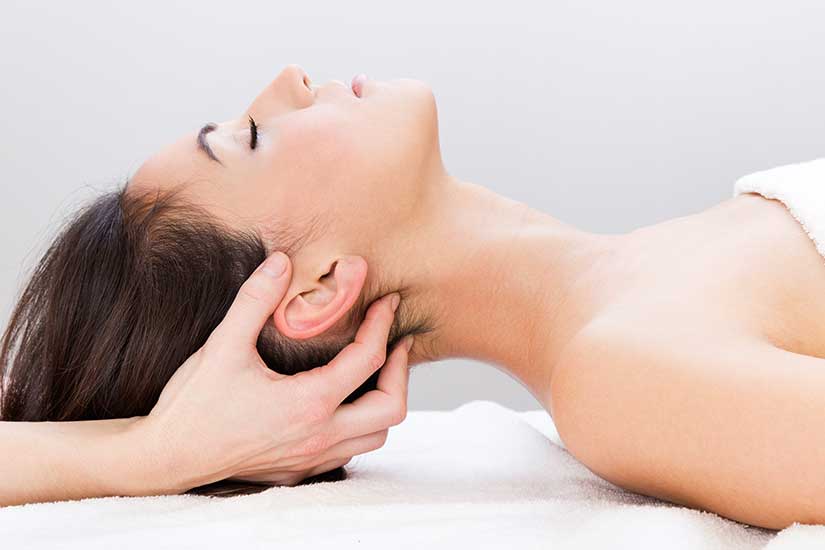
Tension can stay in the body for a long time, especially after injuries, dental work, falls, surgery, or months of clenching and stress. My craniosacral therapy in Chico, CA, is a gentle myofascial release technique that works with the whole body. It uses light, careful touch to help the nervous system settle, soften restricted tissue, and support more natural movement throughout the body.
You stay fully clothed on a table during the session. I begin by noticing your breath, jaw tension, posture, and the way your body is resting. Small patterns in one area often point to deeper strain held elsewhere, because the body works as one connected system.
During a session, my hands work gently through the skull, spine, sacrum, and fascia throughout the body. I listen for areas of restriction and wait for the tissues to respond without force. As the body begins to unwind, many people feel warmth, calm, and a deep sense of release.
Living with long-term muscle and nerve discomfort can make daily life feel smaller. Tight shoulders can steal sleep. A sore lower back can affect how you sit, stand, and drive. In my clinic, massage therapy for chronic pain in Chico, CA, supports that daily strain with steady, hands-on work that helps your body loosen its grip. You get a calm pace, clear communication, and pressure that stays within your comfort zone.
Chronic pain often means the body stays braced as if it is still protecting an old injury. That guarding reduces circulation, limits movement, and keeps tissue tight. I use focused bodywork to soften those patterns and help the area move again without rushing. With massage therapy for chronic pain in Chico, CA, your session stays centered on the areas that flare up and the movements that aggravate them.
Some clients refer to this as craniosacral massage therapy in Chico, CA, because it feels soothing, but the goal is not simple relaxation. The aim is gentle, whole-body myofascial release that gives restricted tissues more space and helps the body function with less strain.
The craniosacral system includes the bones, membranes, fascia, and fluid environment connected to the brain, spinal cord, and the rest of the body. When those tissues become restricted, the effects may show up as headaches, jaw tension, neck pain, lower back discomfort, nervous system overload, or a general feeling of being “wired” and unable to relax. With craniosacral therapy in Chico, CA, I use gentle contact and sustained holds to encourage those restrictions to release throughout the body.
I work not only at the head, neck, and sacrum, but also with the fascial patterns that connect the whole body. The pressure stays light because force is not the point. Timing, attention, and tissue response matter more. When the body finds ease, I follow that change until it settles.
I trained at the Heartwood Institute and built my practice through years in chiropractic and physical therapy offices, learning how bodies respond after injury. That background shapes how I listen with my hands. I follow patterns of tension through connective tissue and stay with them until they begin to let go. The goal is not to force change, but to help the body return to more natural motion and balance.
When craniosacral therapy in Chico, CA, is done slowly and respectfully, the body does not feel challenged or forced. That matters because tissues tend to release more completely when they feel safe.
Many clients leave feeling more grounded, as if their body has more space again. Movement may feel easier, breathing may deepen, and the constant “background tension” people carry can begin to fade. In my sessions, I practice craniosacral therapy in Chico, CA, so your body has time to absorb the change instead of fighting against it.
The effects can continue for a day or two as the fascia settles and the nervous system remains calmer. You may notice that your posture shifts naturally, your jaw stays softer, and your breathing feels lower and smoother without effort.
My approach stays gentle because the body often responds best when it is met with care instead of force. Many people looking for craniosacral massage therapy in Chico, CA, appreciate that the work is soothing without leaving them sore. The goal is lasting relief through careful, whole-body support.
Take the first step toward healing and rejuvenation.
My work focuses on the body as an interconnected fascial system. Craniosacral therapy in Chico, CA, can help release patterns of strain that show up in the head, neck, jaw, spine, and beyond.
My approach uses light, sustained holds to help the body soften protective patterns after injury, falls, dental work, or surgery. Through craniosacral therapy services in Chico, CA, these restrictions can gradually ease.
During sessions, I work with the cranial bones, facial fascia, spine, sacrum, and surrounding connective tissue to help the whole body settle. Through my craniosacral therapy in Chico, many clients experience relief that extends far beyond the head.
Yes. Restrictions around the skull, spine, and sacrum can affect how the body holds itself. When those tissues begin moving more freely during craniosacral therapy, posture may gradually improve as the body finds a more natural alignment.
Warmth, soft pulsing, or small movements often happen as tight tissue begins to release. These sensations may appear when the craniosacral rhythm becomes easier to feel, and circulation in the area improves.
People often look for experience, a calm treatment setting, and gentle hands that understand cranial and spinal movement. My sessions focus on careful touch, patient timing, and respect for how the body releases tension.